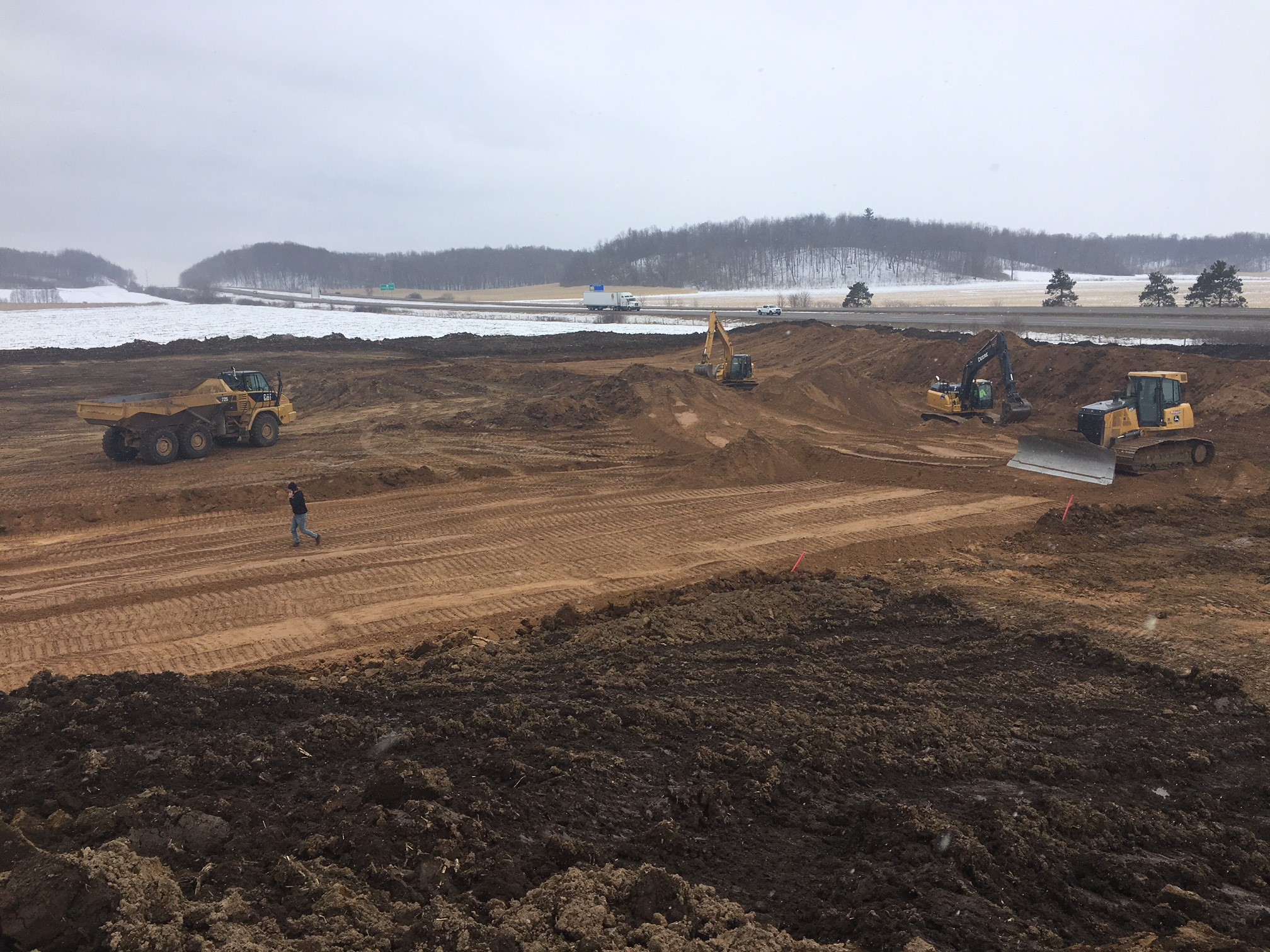
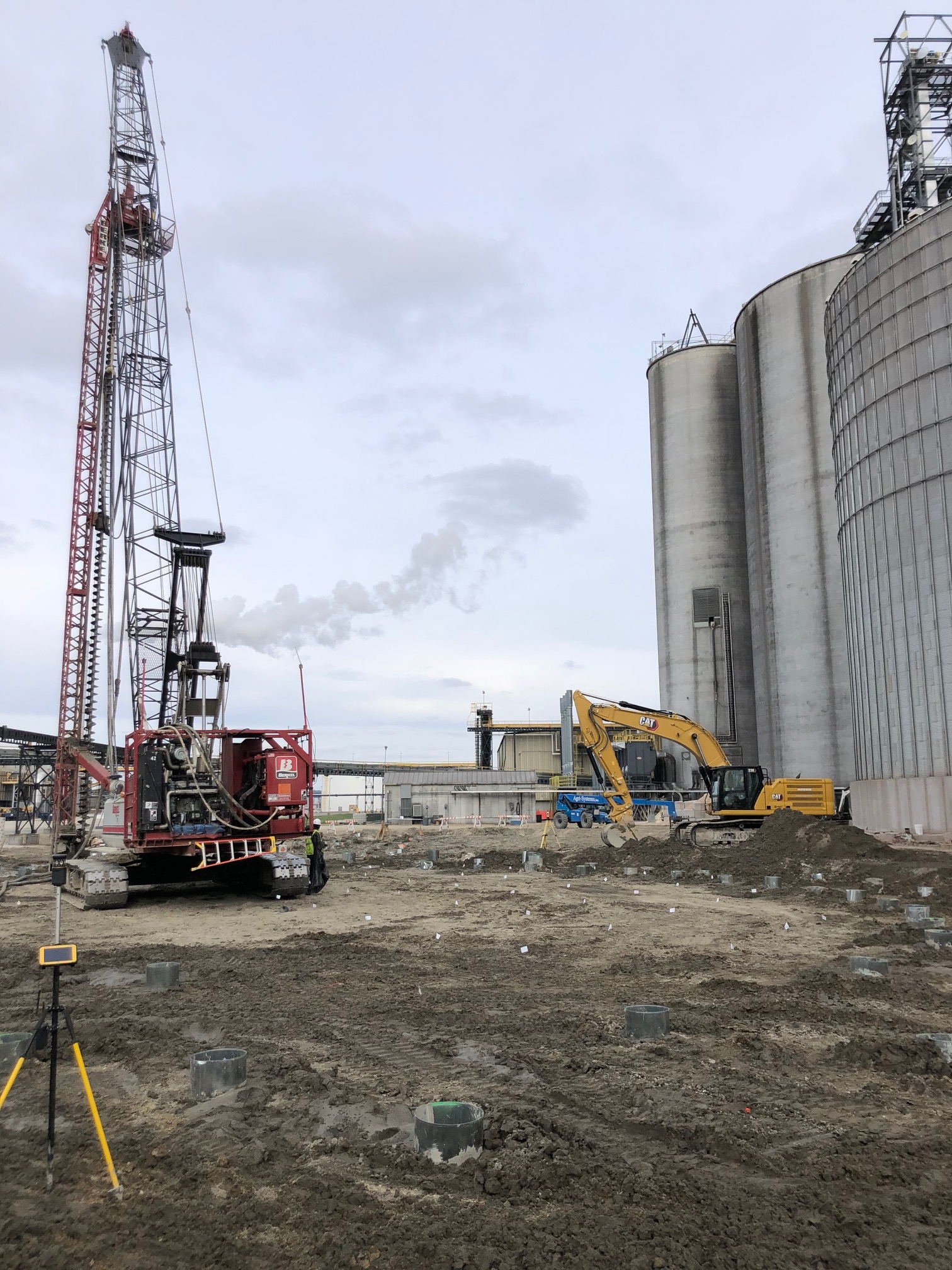
Site Work, Soil Correction, and Excavation
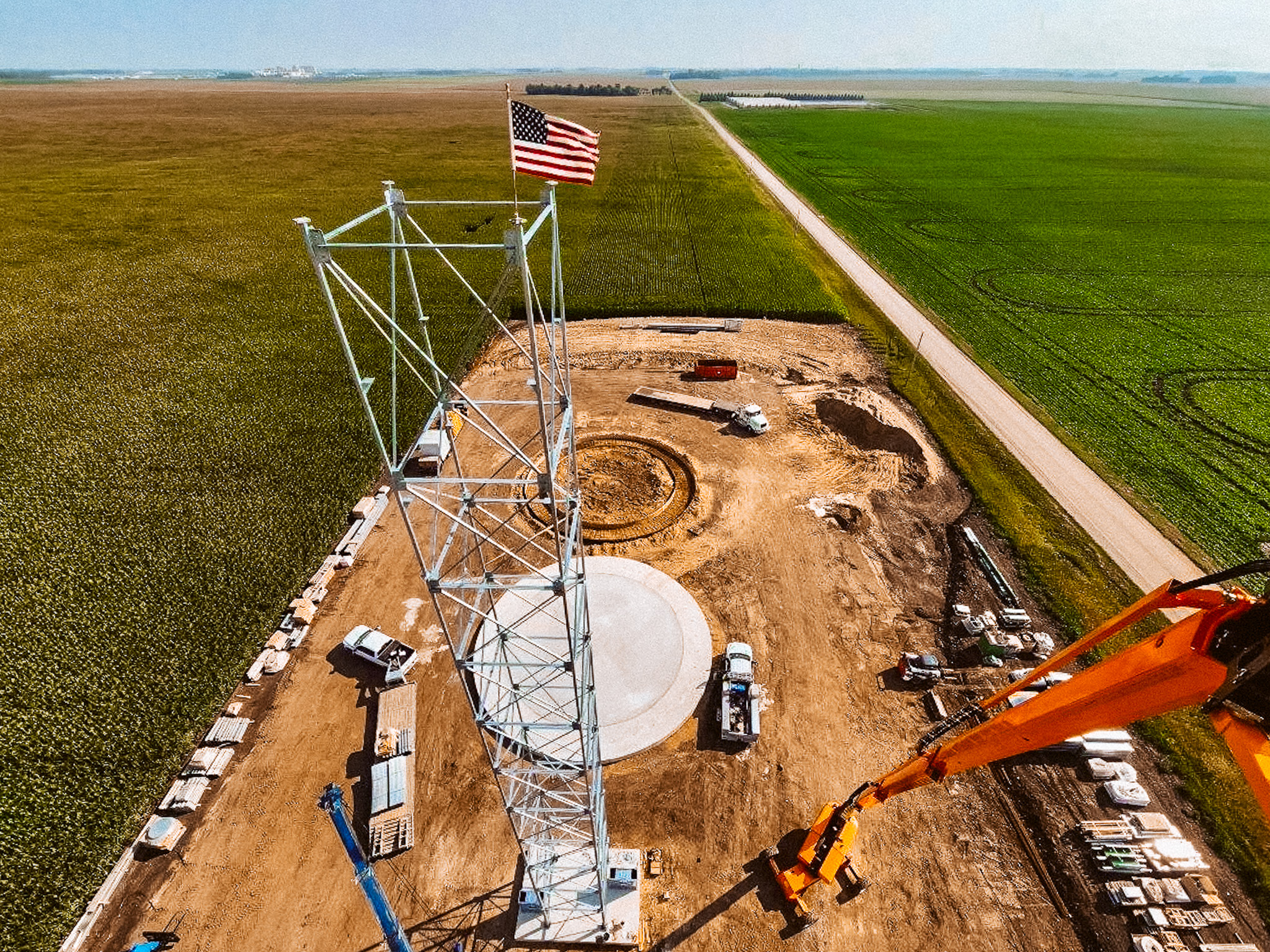
Agri-Systems has been preparing grain storage sites for over 40 years. As a single-source contractor, the team manages every phase of your project including site work and soil correction. One point of contact, one schedule, and no gaps between trades.
We work with both farm operators adding a single bin and commercial operations building large-scale grain facilities. The site work requirements are different for each. A farm site may need nothing more than grading and compaction. A commercial facility with a 156-foot bin may require engineered soil correction before a foundation can be designed. Agri-Systems knows the difference and handles both.
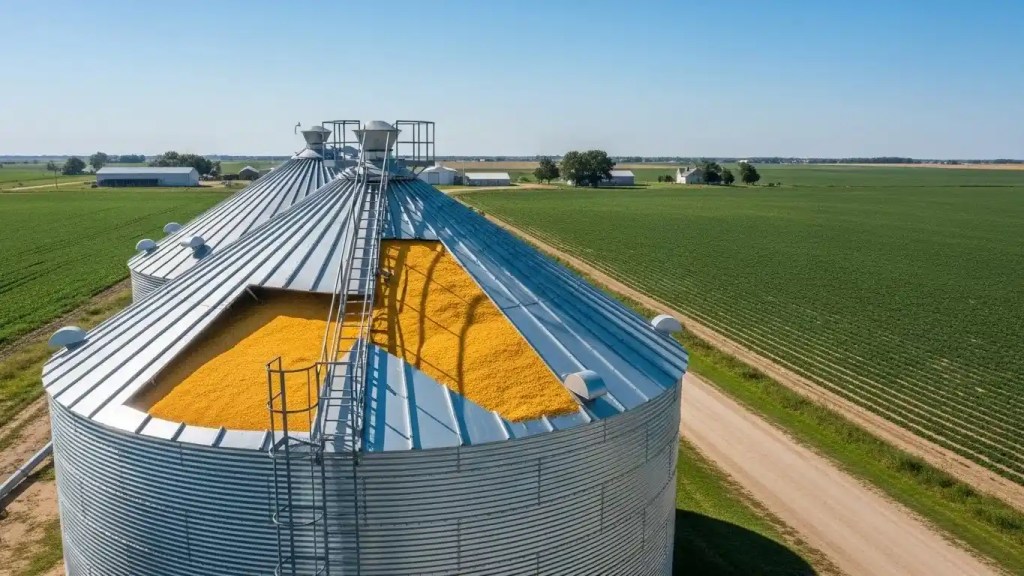
Why Proper Site Work Matters for Grain Storage Projects
Modern grain bins place heavy loads on the ground below them. As bins get taller and wider, the soil must carry more weight without shifting, settling, or creating stress on the foundation.
Poor site preparation can lead to cracked concrete, uneven settlement, drainage issues, and delays once construction starts. Soil conditions also vary across the upper Midwest. Sandy soils, clay layers, fill areas, and high water tables all need to be handled differently.
That is why soil testing and proper grading matter before concrete work begins. A site may look ready from the surface but still need correction before it can support a larger commercial bin.
What Happens When Site Work Is Skipped or Rushed
Site problems usually do not show up on day one. They show up later, after the bin is loaded and the foundation is carrying real weight.
Common problems include:
- Uneven settlement around the bin foundation
- Cracked or heaved concrete from poor compaction or frost movement
- Drainage issues near foundations and handling equipment
- Structural movement caused by weak or inconsistent soil
- Delays when the concrete crew has to stop for correction work
These problems are expensive to fix after construction. Proper site work helps reduce that risk before the bin is built.
Our Site Work Services
Agri-Systems coordinates the site work needed to prepare grain storage projects for construction.
Site Grading and Preparation
Good grading is more than making the ground level. The site needs the right elevation, slope, and drainage before foundation work begins.
Proper grading helps keep water away from the bin, keeps the site usable for heavy equipment, and gives the concrete crew a better starting point.
Soil Testing and Compaction Testing
Not every site needs correction, but every site needs to be understood before construction starts.
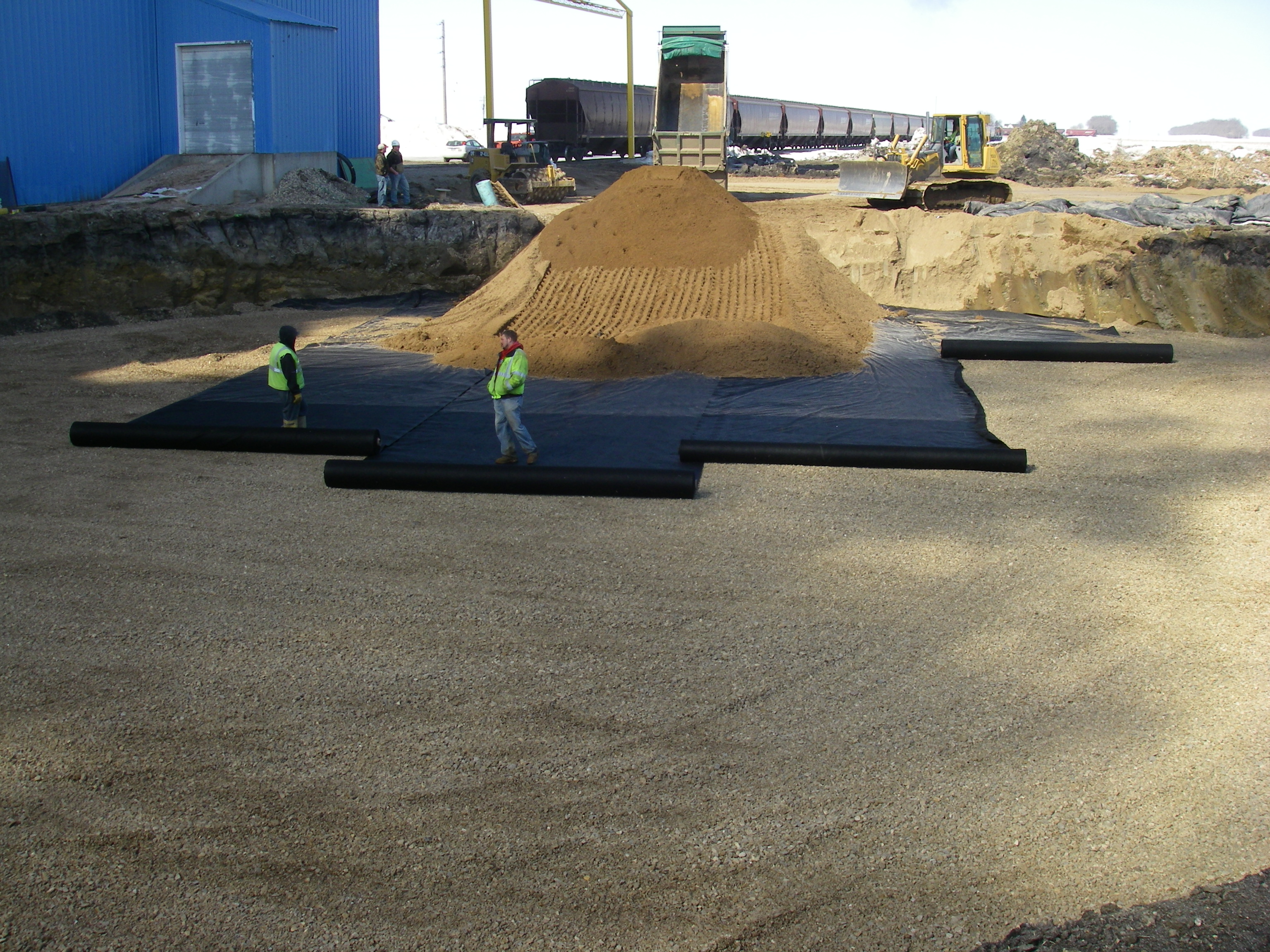
Soil testing shows bearing capacity, moisture levels, and soil composition. Compaction testing confirms that fill and backfill are placed correctly before the project moves into concrete.
Excavation and Backfilling
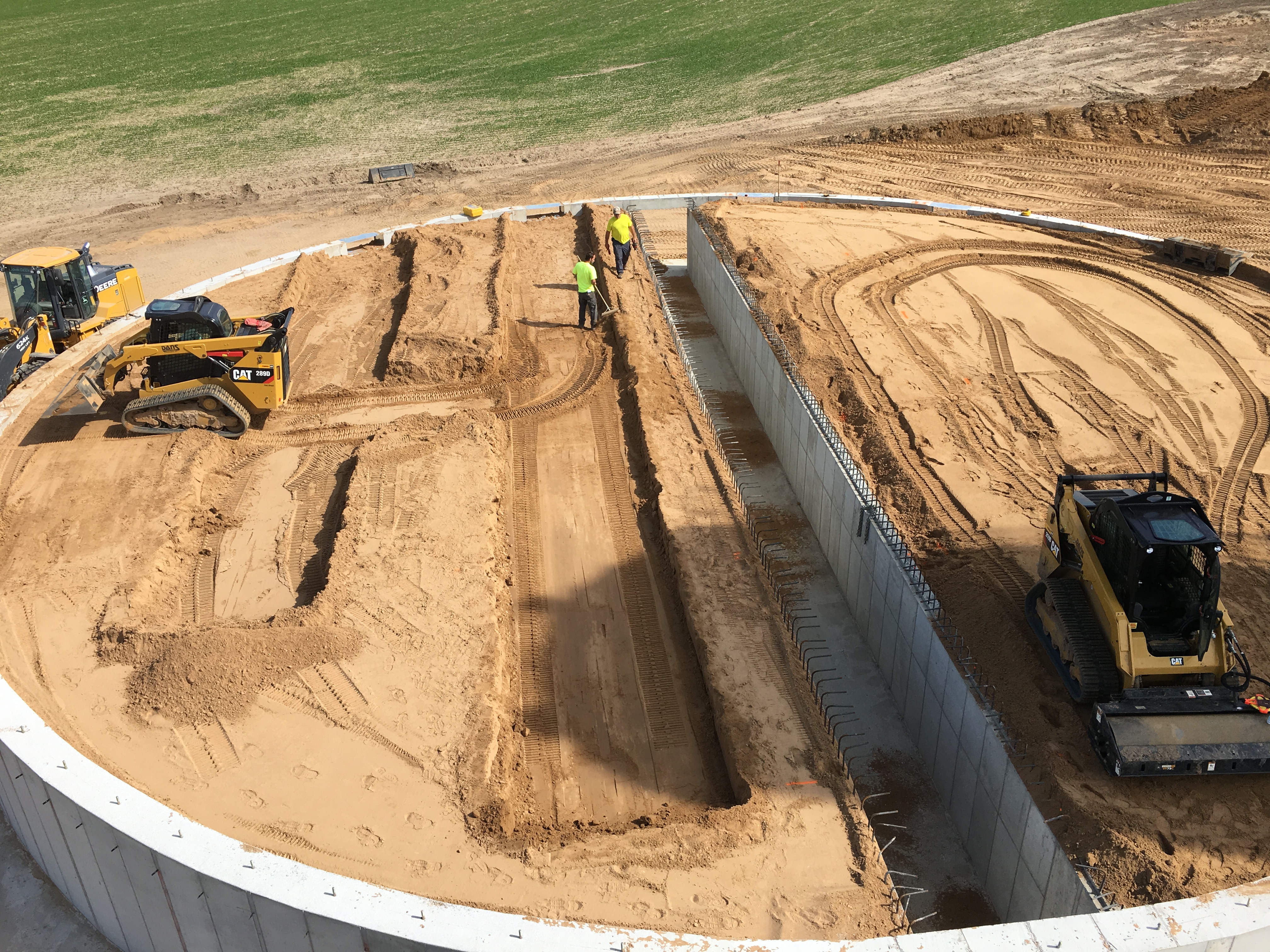
Excavation may be needed for reclaim tunnels, receiving pits, boot pits, and other below-grade structures in a grain handling system.
Backfilling around these areas must be done in controlled lifts and compacted to spec. Poor backfill around tunnels and pits can cause settlement and structural problems later.
Site Grading and Preparation
Good grading is more than making the ground level. The site needs the right elevation, slope, and drainage before foundation work begins.
Proper grading helps keep water away from the bin, keeps the site usable for heavy equipment, and gives the concrete crew a better starting point.
Method |
What It Involves |
Best Used When |
|---|---|---|
|
Remove and Replace |
Poor soil is excavated and replaced with engineered fill |
The weak soil layer is shallow and practical to remove. |
|
GeoPiers |
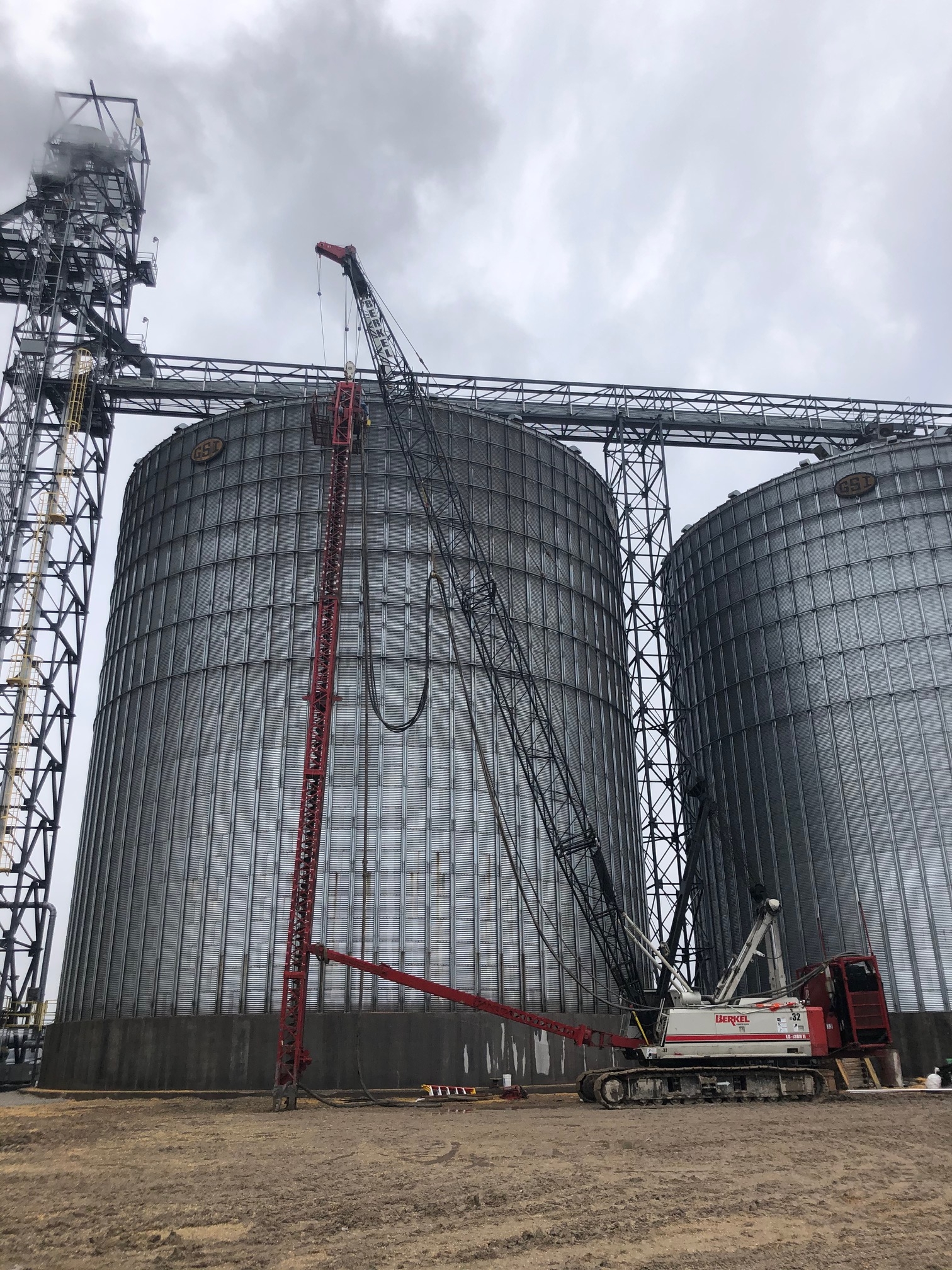
Aggregate piers are drilled and compacted into the ground to improve bearing capacity. |
Weak soil is deeper and full removal is not practical. |
|
Driven Piles |
Steel or concrete piles transfer the load to a stable layer below. |
Large commercial bins need support on poor deep soil. |
How We Coordinate Site Work
Site work for grain storage is different from general excavation. Grain bins have specific load requirements, foundation tolerances, and construction steps that must happen in the right order.
Agri-Systems works with trusted site work and soil correction subcontractors who have direct experience on grain storage projects. They understand bin loads, grading needs, foundation requirements, and project sequencing.
Soil correction is completed before concrete work begins. Grading is established before foundation layout. Excavation for tunnels and pits is coordinated with concrete forming to reduce delays and avoid rework.
As the contractor managing the full build, Agri-Systems keeps site work, concrete, erection, and equipment installation on one schedule. If weather, soil conditions, or engineering changes affect the timeline, the team adjusts the next phases directly.
Need Site Work Reviewed Before Construction?
Before a grain bin project starts, make sure the site conditions, grading needs, soil requirements, and excavation scope are clear.
Call Agri-Systems to review your site and plan the right next step.
What to Expect Before Site Work Begins
Every site work scope starts with a site review. Agri-Systems looks at the planned layout, current ground conditions, and any soil reports, engineering drawings, or geotechnical studies already available.
If soil data is not available, we can coordinate testing through qualified third parties. The results help determine whether the site needs basic grading, compaction, engineered fill, GeoPiers, Driven Piles, or another correction method.
Once the scope is clear, Agri-Systems coordinates the needed subcontractors and lines up the work with the concrete and erection schedule. For projects with tunnels, pits, or below-grade structures, excavation is planned with the foundation work to reduce open excavation time and prevent delays.
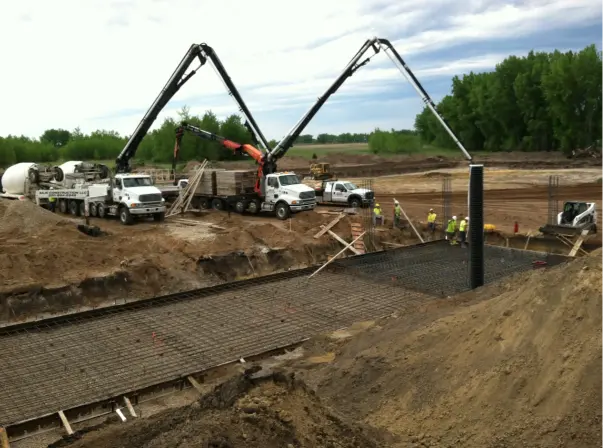
Site Preparation and Grain Storage Safety
Proper site preparation affects more than the foundation. It also supports drainage, equipment access, moisture control, and long-term facility performance.
Well-graded sites help move water away from storage structures. Stable, compacted ground around handling equipment can reduce settling and movement over time. Careful planning also helps keep construction traffic, excavation areas, and heavy equipment movement better organized during the build.
For a deeper look at facility safety, see our article on mitigating dust disasters in grain storage.

Get a Site Work Assessment
If you are planning a grain storage project, contact Agri-Systems before construction begins. The team can review your site conditions, coordinate soil testing if needed, define the scope, and provide a clear estimate.
States We Serve
Agri-Systems manages grain bin site work, soil correction, grading, and excavation across the upper Midwest.
We serve projects in:
Our team is based in Minnesota and works with farm and commercial grain storage operations throughout the region, including Litchfield, Cottonwood, Central Minnesota, and surrounding upper Midwest communities.
Frequently Asked Questions
No. Many farm-scale bins on stable ground only need grading and compaction. Larger commercial bins place heavier loads on the soil and are more likely to require testing and correction.
GeoPiers use compacted aggregate to strengthen weak soil. Driven Piles transfer the load through weak soil to a stronger layer below. The right method depends on soil depth, bin size, and engineering requirements.
It depends on the site and correction method. Remove and Replace may take a few days. GeoPier or Driven Pile work for a large commercial facility may take one to two weeks or more.
Yes. Agri-Systems manages site work, concrete foundations, grain bin erection, and handling equipment installation as one coordinated project scope.
Soil conditions vary by site. Sandy soils, clay layers, fill areas, low-lying ground, and high water tables can all affect foundation planning. Testing is the best way to know what the project requires.
Agri-Systems can coordinate soil testing through qualified third parties if a report does not already exist. The test results help guide the correction method and foundation design.