
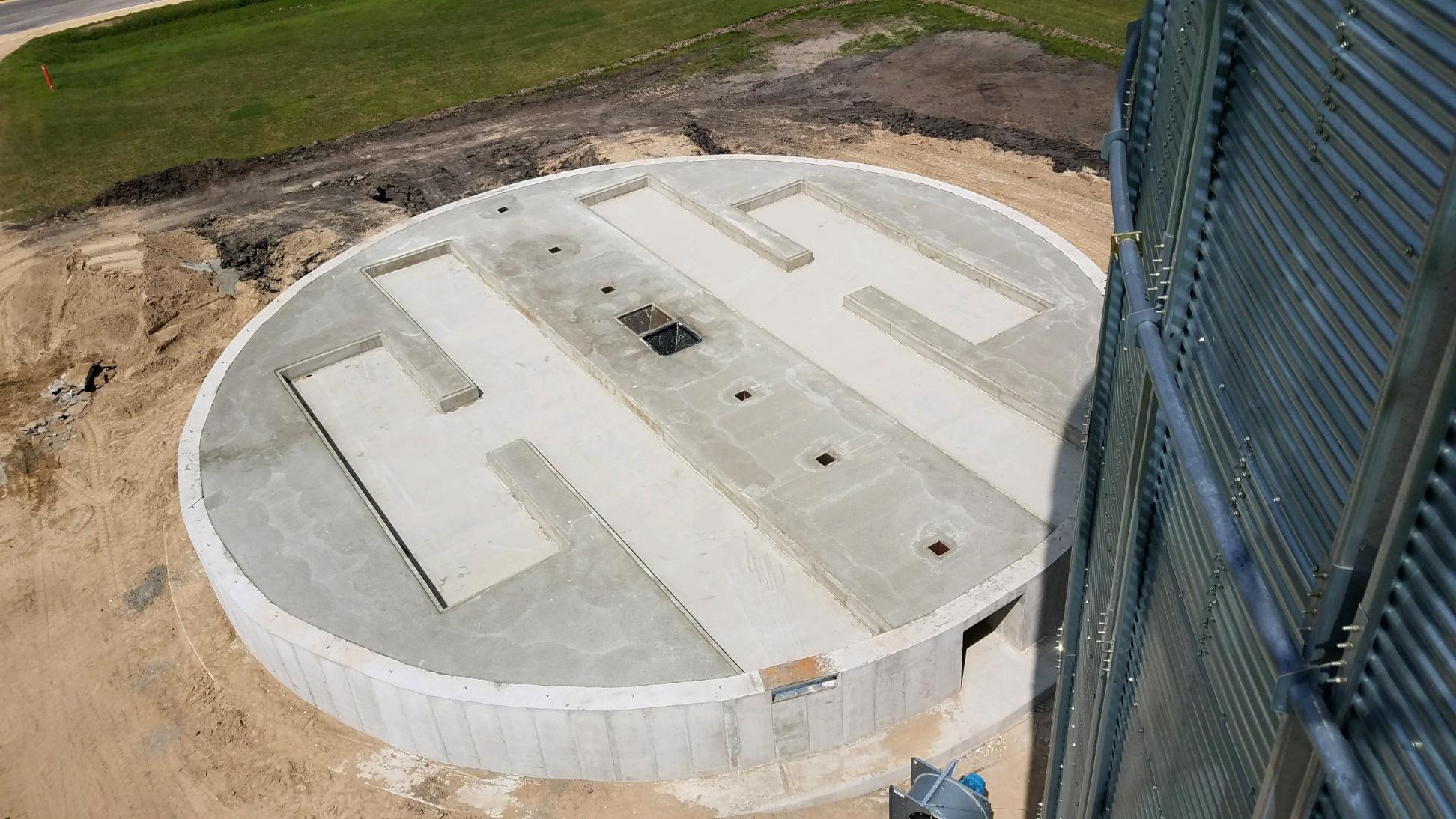
A grain bin foundation supports the weight of the bin and its stored grain while providing a stable base for the structure. Choosing the right grain bin foundation depends on soil conditions, structural loads, site requirements, and the equipment needed to move grain in and out of the bin. Two common options are stem wall foundations and donut foundations, each offering different benefits for access, construction, and long-term use.
Agri-Systems helps agricultural operations plan grain storage systems around their equipment and site requirements. Understanding how stem wall and donut foundations differ can help you compare the available options, account for unloading needs, and identify the factors that should guide foundation design before construction begins.
What Are the Main Types of Grain Bin Foundations?

A grain bin foundation supports the bin and its stored grain by transferring structural loads to the ground. The right design depends on soil conditions, bin specifications, site requirements, and grain-handling equipment. Stem wall and donut foundations use different support structures to meet these needs.
Stem Wall or Inverted T Foundation
A stem wall foundation uses a concrete footing and a raised vertical wall to support the grain bin. Also known as an inverted T foundation, this design raises the bin above ground level and can provide space for unloading equipment, conveyors, or access tunnels, depending on the layout. Its dimensions and reinforcement must match the bin’s structural loads and site conditions.
Donut or Ring Foundation
A donut or ring foundation uses a circular concrete support beneath the bin’s perimeter, with the central area typically filled with suitable compacted material and covered by a concrete slab when required by the design. This arrangement supports the bin while providing a different layout from a raised stem wall. The ring, interior slab, and fill must be designed to suit the bin’s loads and soil conditions.
Donut Slab vs. a Full Concrete Pad
A donut slab generally refers to the concrete slab inside a ring foundation, while a full concrete pad extends beneath the entire bin footprint. These designs differ in how they support and transfer loads, so they should not be treated as interchangeable. The appropriate option depends on the bin manufacturer’s specifications, ground conditions, and engineered foundation design.
Stem Wall vs. Donut Foundation: Key Differences
When choosing a grain bin foundation, compare how each design supports the bin, accommodates unloading equipment, and fits the site’s conditions. Stem wall and donut foundations can both provide suitable support when properly designed, but their height, construction requirements, and access for future maintenance differ.
| Factor | Stem Wall Foundation | Donut or Ring Foundation |
|---|---|---|
| Structure | Concrete footing with a raised vertical wall | Circular concrete ring supporting the bin perimeter |
| Elevation | Raises the bin above ground level | Usually provides less clearance beneath the bin |
| Equipment access | Can provide space for tunnels and under-bin conveyors | Equipment access may be more limited, depending on the layout |
| Construction | May require additional excavation, formwork, and concrete | Requires a properly designed ring, prepared central fill, and interior slab where specified |
| Maintenance access | Can make some unloading equipment easier to reach | Equipment beneath the floor may be harder to access when the bin is full |
| Future modifications | May offer more flexibility for certain equipment changes | Adding equipment later may require significant modifications |
| Cost factors | Additional wall height, labor, excavation, and materials can increase initial cost | May require less concrete and formwork in some projects, depending on the design |
What Determines Grain Bin Foundation Design?

A grain bin foundation must be designed for the bin’s expected weight, ground conditions, and site requirements. Several factors affect the type of foundation needed and how it should be built. Evaluating these details before construction helps provide stable support and reduces the risk of costly foundation problems later.
Bin Size, Capacity, and Structural Loads
The size and storage capacity of a grain bin affect the loads its foundation must support. A larger bin or one holding more grain can place greater loads on the foundation and the soil beneath it. The design must also account for the bin manufacturer’s specifications and any additional loads from handling equipment or other structures connected to the system.
Soil Bearing Capacity and Ground Conditions
Soil bearing capacity determines how much load the ground can support without excessive movement. Soil type, weak areas, and differences in ground conditions across the site can affect foundation performance. A geotechnical assessment can help identify soil limitations and determine whether ground improvement or engineered fill is needed before the grain bin foundation is built.
Research on grain bin foundations highlights the importance of soil conditions and settlement control. A 2025 study published in Geomechanics and Engineering examined differential settlement in grain bins and evaluated ground improvement methods to address the problem. The findings reinforce the need to assess soil conditions and foundation stability before construction. Read the research on grain bin settlement.
Drainage, Frost, and Site Preparation
Proper site preparation helps create a stable base for a bin foundation. The site should manage rainwater and runoff to reduce water accumulation around the concrete, while any fill material must be placed and compacted according to the foundation design. Local frost conditions also matter because freezing and thawing can affect the ground and foundation. Excavation depth, drainage measures, and preparation requirements should reflect local conditions and the project specifications.
Level Support and Uneven Settlement
A grain bin foundation must provide level, consistent support according to the manufacturer’s requirements. If one part of the foundation settles more than another, the bin may experience uneven loading and structural stress. Proper soil assessment, site preparation, and foundation construction help reduce settlement risks. The finished foundation should be checked against the specified levelness and installation requirements before the bin is erected.
Grain Bin Concrete Forms and Reinforcement
Concrete forms, steel reinforcement, and the correct concrete specifications all contribute to a grain bin foundation that meets its design requirements. Each component must be planned around the bin’s expected loads, ground conditions, and manufacturer specifications. Following the approved foundation drawings helps ensure these elements work together as intended.
What Are Concrete Forms Used for in Grain Bin Foundations?
Grain bin concrete forms hold wet concrete in the required shape while it sets. They help create the footing, raised walls, and other concrete sections according to the foundation design. Properly positioned and secured forms help maintain the specified dimensions and alignment during pouring. The formwork must suit the planned foundation layout and remain stable while the concrete is placed.
Why Is Rebar Used in Grain Bin Foundations?
Rebar for grain bin foundations provides steel reinforcement within the concrete. It helps the foundation resist tensile stresses and control cracking under expected loads. The required rebar size, placement, spacing, and coverage depend on the engineered design and must follow the approved drawings. Changes to the grain bin concrete reinforcement should not be made without approval from the responsible design professional.
Concrete Requirements and Foundation Drawings
A concrete grain bin foundation must meet the specified dimensions, concrete requirements, and anchorage details in the approved plans. These details help the foundation support the bin and transfer its loads as intended. Anchor bolts and other connections must also match the bin manufacturer’s requirements so the bin can be installed correctly. Before construction, the foundation drawings should be checked against the bin specifications and site conditions.
How Foundation Design Affects Grain Handling Equipment

A grain bin foundation must accommodate the equipment used to unload, move, and manage grain. Planning for this equipment before construction helps avoid access problems and costly changes after the bin is installed.
Under-Bin Conveyors and Unloading Access
Under-bin conveyors, unloading augers, and reclaim tunnels need enough space to operate and receive maintenance. The foundation layout should account for equipment dimensions, discharge points, and the route grain follows from the bin to the next part of the system. These details are especially important when connecting the bin to existing conveyors or grain-handling equipment.
Wet Bins and High-Use Grain Systems
Wet bins and high-use grain systems may need to move grain frequently between receiving, drying, and storage equipment. The foundation design should account for the capacity and layout of connected equipment, including conveyors, receiving pits, and support structures where required. Planning these connections early helps ensure the bin foundation fits the wider grain-handling system and its expected operating demands.
Equipment Inspection and Future Maintenance
Grain-handling equipment needs to remain accessible for inspection, cleaning, repairs, and routine maintenance. The foundation plan should consider access to conveyor drives, unloading mechanisms, and other components that may need servicing. It should also allow for practical equipment replacement or future system changes where possible. Planning these needs before construction can reduce disruptions and help avoid expensive modifications later.
What Affects Grain Bin Foundation Cost?
The cost of a grain bin foundation depends on the design, site conditions, materials, and equipment requirements. Comparing these factors before construction helps identify the work involved and account for the needs of the complete grain storage system. Neither a stem wall nor a donut foundation is always less expensive, since costs vary from one project to another.
Excavation, Concrete, and Formwork
Foundation costs can include excavation, concrete, formwork, steel reinforcement, and labor. The required quantities depend on the foundation dimensions, structural loads, and approved design. Features such as raised walls, equipment tunnels, or additional concrete sections may also affect the amount of work and materials needed.
Soil Preparation and Site Conditions
Ground conditions can affect how much preparation is required before concrete work begins. Weak soil, uneven terrain, poor drainage, or the need for engineered fill and soil improvement may add to project costs. Local frost conditions and site access can also influence excavation and construction requirements. A site assessment helps identify these needs before work starts.
Equipment Access and Future Modifications
The foundation must accommodate the planned unloading equipment, conveyors, tunnels, and other system connections. Including these requirements in the original design can help avoid expensive changes after construction. Future equipment upgrades and maintenance access should also be considered when comparing designs, since a lower initial construction cost may not reflect the cost of later modifications.
Common Grain Bin Foundation Planning Mistakes
Planning a grain bin foundation requires more than selecting a design and preparing a concrete base. Overlooking soil conditions, drainage, equipment needs, or manufacturer specifications can lead to construction delays and costly changes. Addressing these details before work begins helps reduce avoidable problems.
Skipping Soil Assessment
Assuming the ground can support a loaded grain bin without assessing its condition can lead to foundation problems. Soil strength and consistency affect the foundation design, and conditions may vary across the site. Arrange an appropriate soil assessment before construction so the design accounts for the ground’s bearing capacity and any required preparation.
Overlooking Drainage and Fill Preparation
Poor drainage and improperly prepared fill can affect the stability of a grain bin foundation. Water that collects around the foundation may contribute to ground movement or deterioration, while inadequately compacted fill can settle under load. Plan site grading, water runoff, and fill preparation according to the engineered design before concrete is placed.
Ignoring Equipment Access Requirements
Planning the foundation without accounting for unloading augers, under-bin conveyors, reclaim tunnels, and connected equipment can create access problems after installation. Identify equipment dimensions, discharge locations, and maintenance needs during the design stage. Coordinating the foundation with the full grain-handling layout can help prevent avoidable modifications later.
Using a Design That Does Not Match the Bin Specifications
A foundation design must match the bin’s dimensions, expected loads, anchorage requirements, and manufacturer specifications. Reusing a design from another bin without confirming that it is suitable can overlook important differences in structural requirements or site conditions. Review the bin manufacturer’s foundation requirements with the responsible design professional before construction begins.
Which Grain Bin Foundation Is Right for Your Operation?
The right grain bin foundation depends on the site’s ground conditions, bin specifications, unloading requirements, and overall grain storage layout. Comparing these factors helps narrow down the options, but the final choice should follow the bin manufacturer’s requirements and qualified engineering guidance.
When a Stem Wall Foundation May Be Suitable
A stem wall foundation may be suitable when the grain storage system requires additional clearance beneath the bin for unloading equipment, conveyors, or access tunnels. It can also fit projects where the planned equipment layout calls for a raised structure. The design must account for the bin’s loads, soil conditions, and the dimensions needed to accommodate the equipment.
When a Donut Foundation May Be Suitable
A donut or ring foundation may be suitable for a grain bin layout where a circular concrete support and the planned interior floor arrangement meet the project’s structural and operational needs. It may fit systems that do not require the same under-bin clearance as other layouts. Suitability depends on the bin specifications, ground conditions, unloading arrangement, and engineered foundation design.
What to Confirm Before Construction Begins
Before construction, confirm the bin’s size and capacity, expected structural loads, soil bearing capacity, drainage requirements, and site preparation needs. Review the layout of conveyors, unloading equipment, tunnels, and other connections to ensure the foundation supports the complete system. Check the approved foundation drawings against the bin manufacturer’s specifications, including concrete dimensions and anchorage details. A qualified design professional should determine the final foundation design for the specific site and project.
Need Help Choosing the Right Grain Bin Foundation?
Choosing between a stem wall and a donut foundation depends on your grain bin specifications, soil conditions, and grain-handling equipment. Planning these requirements early can help prevent costly changes and support the long-term performance of your grain storage system.
Agri-Systems can help you plan a grain storage system around your site’s conditions and operational needs. Contact Agri-Systems today to discuss your project and determine the foundation requirements for your operation.
Conclusion
Choosing between a stem wall and a donut foundation depends on your grain bin’s specifications, soil conditions, unloading equipment, and long-term operating needs. A stem wall may provide more clearance for under-bin equipment, while a donut foundation may suit layouts that require less space beneath the bin. Both options must be designed to support the expected loads and meet site requirements.
Before construction begins, review the foundation design, drainage, concrete reinforcement, and equipment access requirements. Agri-Systems can help you plan a grain storage system around your site’s conditions and operational needs. Contact Agri-Systems to discuss your grain storage project and the foundation requirements for your operation.
Frequently Asked Questions
A donut foundation is a circular concrete support, also called a ring foundation, built beneath the perimeter of a grain bin. The center typically contains prepared fill and a concrete floor when required by the design. Its structure and dimensions must match the bin’s loads, soil conditions, and manufacturer requirements.
An inverted T foundation is another name for a stem wall foundation. It typically consists of a concrete footing with a vertical wall above it, creating a shape similar to an inverted letter T. This design can raise the bin and provide space for unloading equipment, depending on the layout.
Yes, the terms ring foundation and donut foundation generally refer to the same type of grain bin foundation. Both describe a circular concrete support around the bin’s perimeter. However, the complete foundation design, including the interior fill and floor, can vary by project.
Many grain bin foundations use steel reinforcement, but the requirements depend on the foundation design, structural loads, and site conditions. Rebar size, spacing, placement, and concrete coverage should follow the engineered foundation drawings. Do not assume a standard reinforcement layout will suit every grain bin.
Concrete requirements depend on the bin’s dimensions, storage capacity, expected loads, soil conditions, and foundation type. The approved design specifies details such as concrete dimensions, strength requirements, reinforcement, and anchorage. These details should match the bin manufacturer’s specifications and the project’s engineering plans.
A level foundation helps distribute the bin’s loads as intended and supports correct installation. Uneven support or differential settlement can create uneven loading and structural stress. The foundation should meet the levelness tolerances specified by the bin manufacturer and the approved design before installation begins.


