A grain handling system may need expansion when it can no longer keep up with the amount of grain your operation receives, dries, moves, or stores during harvest. Long truck wait times, harvest delays, limited drying capacity, and bins that fill too early can all signal that your current setup […]
Blog
Steel vs. Concrete Grain Storage: Pros, Cons, and Best Applications for Grain and Bulk Storage
Choosing between steel and concrete silos depends on the material being stored, required capacity, site conditions, budget, and long-term operating needs. Steel silos are often suitable for grain storage projects that need flexible designs and future expansion, while concrete silos can suit large-scale facilities that require permanent storage structures. Understanding […]
Mitigating Dust Disasters In Grain: Prevention and Safety Tips
Grain dust can ignite when fine combustible particles become airborne near an ignition source. In enclosed handling equipment, a flash can develop into an explosion. Mitigating dust disasters in grain requires reducing dust release, controlling ignition sources, maintaining equipment, and preparing workers for emergencies. Agri-Systems, Inc. works on agricultural storage […]
Boost Efficiency and Protect Your Harvest: How to Choose the Right Grain Dryer?
Choosing the right grain dryer depends on how much grain you need to dry, the moisture you need to remove, your crop type, and how quickly you need to move grain through harvest. The right system should meet peak harvest demand, protect grain quality, and manage fuel and operating costs […]
Paddle Sweep Guide: How It Works, Benefits, and Cost
A paddle sweep moves grain left on a storage bin floor toward the center sump after gravity unloading. Rubber paddles attached to a moving chain carry the grain inward as the sweep arm travels around the bin. This design can reduce manual cleanup, although results depend on grain condition, floor […]
Grain Bin Foundations: Stem Wall vs. Donut Foundations
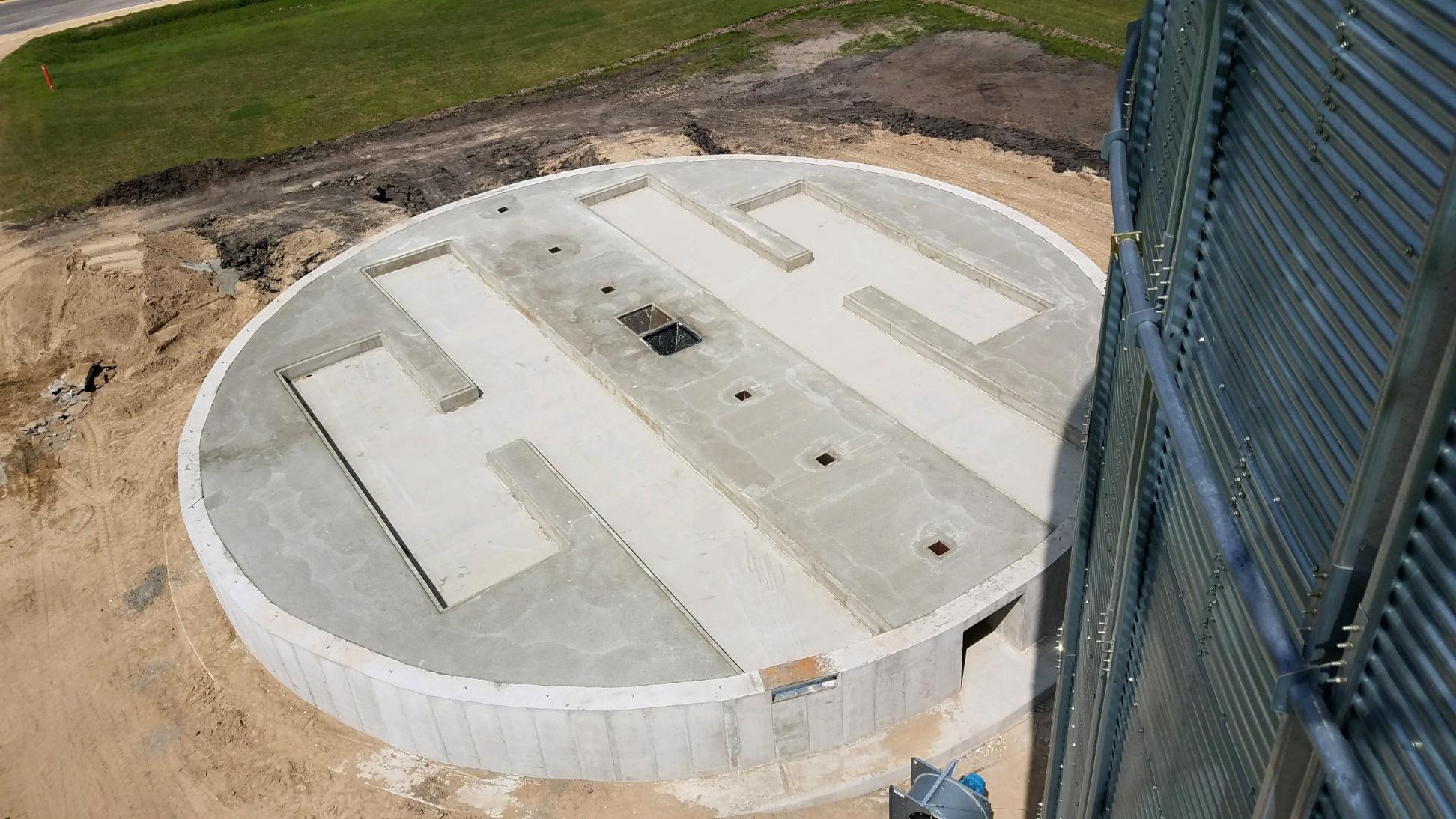
A grain bin foundation supports the weight of the bin and its stored grain while providing a stable base for the structure. Choosing the right grain bin foundation depends on soil conditions, structural loads, site requirements, and the equipment needed to move grain in and out of the bin. Two […]
Do You Really Need 3-Phase Power for Your Grain Site?
Three-phase power is often a good fit for grain sites that use large dryers, bucket elevators, conveyors, and multiple motors. However, not every grain operation needs it. The right choice depends on your equipment’s electrical requirements, total power demand, and existing utility service. At Agri-Systems, planning a grain handling system […]
Grain Storage Losses: Common Causes and How to Reduce Them
Grain storage losses happen when grain is lost, damaged, or reduced in value after harvest and during storage. These losses can affect the amount of grain available for sale as well as its quality. Moisture changes, pests, handling damage, spillage, and poor storage conditions can all contribute to grain storage […]
Grain Spoilage: Causes, Warning Signs, and Prevention
Grain spoilage happens when stored grain conditions allow moisture, heat, mold, insects, or other factors to reduce grain quality. Excess moisture and high grain temperature can create conditions that support mold growth, insect activity, and further grain deterioration. Poor airflow can also make it harder to keep temperature and moisture […]
Grain Bin Condensation: Causes, Risks and Prevention
Grain bin condensation occurs when moisture in the air inside a grain bin meets a cooler surface, such as the bin roof, walls, or stored grain. Temperature differences can cause warm, moisture-filled air to move through the bin and release moisture when it reaches a colder area. This can happen […]