

Grain storage is essential for keeping harvested crops safe, usable, and valuable over time. Farmers and grain operators rely on proper storage to protect grain from moisture, heat, and pests. Without the right storage conditions, grain can spoil quickly and lead to major losses.
Understanding how long grain can last and what affects its shelf life helps operators make better decisions about storage systems and handling practices. At Agri-Systems, Inc, a trusted provider of grain bins construction, grain storage is approached as a long-term solution that depends on strong facilities and careful planning.

How Long Does Grain Last?
Grain does not last the same amount of time in every situation. Its shelf life depends mainly on how it is stored. When grain is kept dry, cool, and protected from pests, it can remain in good condition for many years. If grain is exposed to moisture or high temperatures, it may spoil much faster. Good storage practices can greatly extend the life of stored grain.
What Factors Affect How Long Grain Can Be Stored?
Moisture Content
Moisture is the most important factor in grain storage. Grain that is stored with too much moisture can heat up and grow mold. Each type of grain has a safe moisture level that should be reached before storage. Dry grain stays fresh longer and is less likely to spoil.
Storage Temperature
Temperature plays a major role in how long grain lasts. Cooler temperatures slow down the growth of mold and insects. When grain is stored in a warm environment, spoilage happens faster. Keeping grain at a steady and cool temperature helps protect its quality.
Oxygen Exposure
Oxygen allows insects and mold to survive. When grain is stored in sealed or controlled systems, oxygen levels are reduced. This helps limit spoilage and keeps grain in better condition for longer periods.
Pest and Insect Control
Insects and rodents can damage grain and spread contamination. Poor sanitation and open storage areas increase the risk of infestations. Clean facilities and sealed systems help protect grain from pests during storage.
Storage Method and Facility Type
The type of storage facility affects airflow, moisture control, and protection from weather. Strong, well-designed structures help keep grain safe from rain, humidity, and temperature changes.
How Long Can Grain Be Stored by Type?
The following are the typical storage times for different types of grain:
How Long Does Wheat Last in Storage?
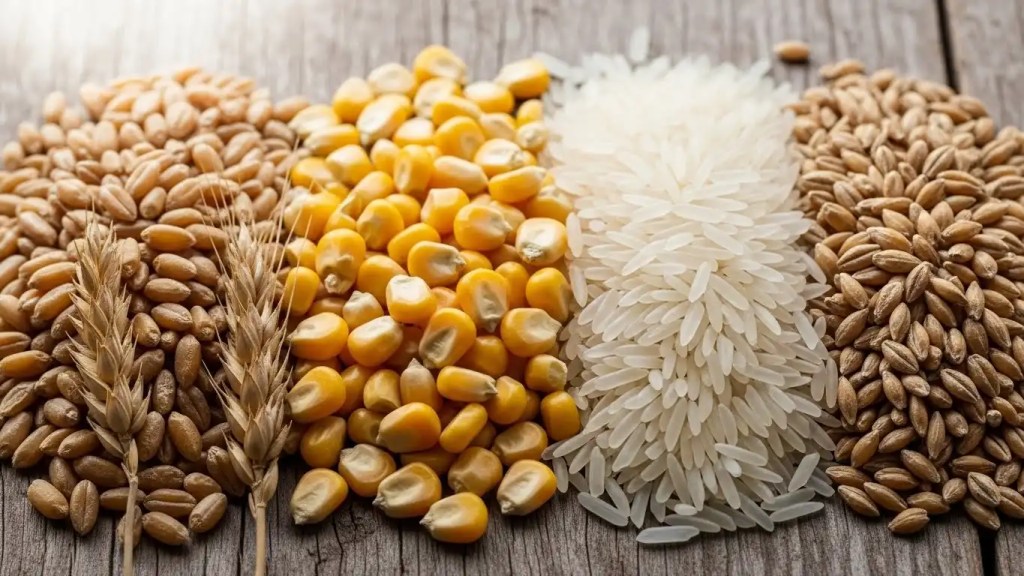
Wheat can last eight to twelve years or longer when stored under the right conditions. It stores well because it has low oil content and a hard outer shell. Wheat should be dried to a safe moisture level before storage and kept in sealed bins or silos. When temperature and moisture are controlled, wheat remains stable for long periods.
How Long Does Corn Last in Storage?
Corn usually lasts ten to fifteen years when stored properly. It contains more oil than wheat, which makes it more sensitive to heat and moisture. Because of this, corn must be dried carefully before storage. Good airflow and temperature control are important to prevent spoilage.
How Long Do Rice and Other Grains Last?
Rice and similar grains can last several decades when stored correctly. White rice stores especially well because it has very little oil. Other grains such as barley, oats, and sorghum also last many years when kept dry, cool, and protected from pests.
Best Grain Storage Methods for Long-Term Storage
The following are the most effective methods for storing grain long-term:
Grain Bins and Silos
Grain bins and silos are widely used for long-term storage because they offer strong protection from weather and pests. They allow for controlled airflow and easy monitoring, making them ideal for both farm and commercial operations.
Bulk Storage Bags
Bulk storage bags provide a flexible storage option and are often used when extra capacity is needed. They require regular inspection to prevent damage and moisture buildup.
Sealed Containers and Bagged Storage
Sealed containers are best for smaller quantities of grain. They limit oxygen exposure and reduce the risk of insects, making them useful for short- to medium-term storage.
How to Prepare Grain for Long-Term Storage?
Grain silos and bins can concentrate dust and pose explosion risks if improperly managed. Proper design, maintenance, and dust mitigation strategies are critical.
Cleaning Grain Before Storage
Cleaning grain before storage removes broken kernels and debris that can trap moisture. This step reduces the risk of mold and insect problems during storage.
Drying Grain to Safe Moisture Levels
Drying is the most important step before storage. Grain that is dried to the correct moisture level is far less likely to spoil or heat up while in storage.
Conditioning and Aeration Before Storage
Conditioning and aeration help balance moisture and temperature inside storage systems. Proper airflow keeps grain stable and reduces the chance of condensation.
Best Practices for Maintaining Stored Grain
- Monitoring Moisture and Temperature: Regular monitoring allows operators to detect changes early. Catching problems early helps prevent large losses.
- Preventing Mold and Spoilage: Mold forms when grain becomes too warm or wet. Maintaining dry conditions and steady airflow helps prevent spoilage.
- Protecting Stored Grain From Insects and Rodents: Sealed storage systems and routine inspections help keep pests out. Clean surroundings also reduce pest activity.
Common Grain Storage Problems and How to Avoid Them
- Mold Growth and Spoiled Grain: Mold develops when moisture levels rise inside storage systems. Proper drying and ventilation prevent this problem.
- Moisture Migration and Condensation: Temperature changes can cause moisture to move within stored grain. Aeration systems help control this movement.
- Insect Infestations: Insects thrive in warm, damp grain. Keeping grain cool and dry reduces the risk of infestations.

Grain Storage Equipment That Extends Grain Life
- Grain Bins, Silos, and Storage Systems: Well-designed storage systems help control airflow and moisture. Facilities supported by Agri-Systems, Inc focus on long-term durability and stable storage conditions.
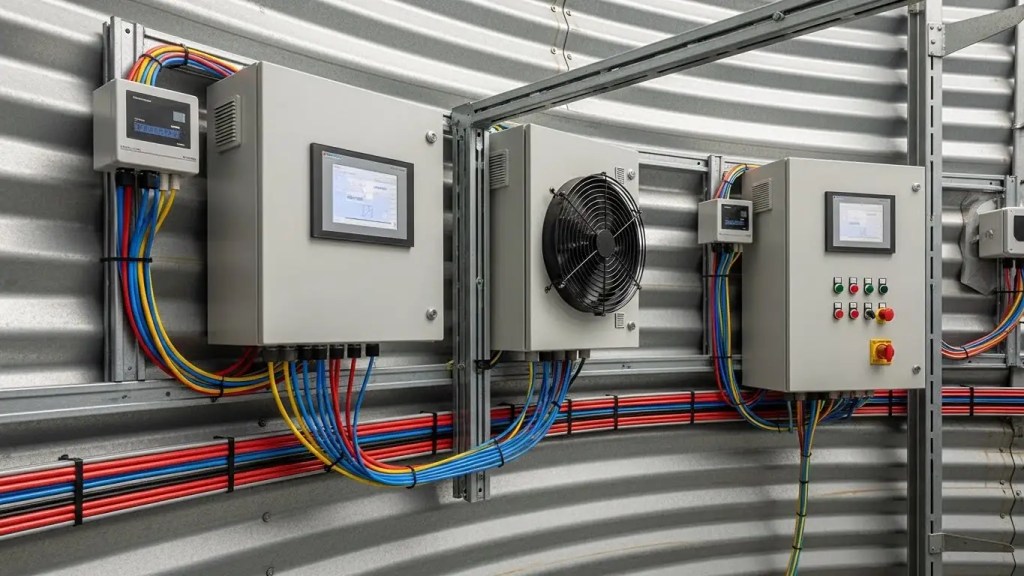
- Aeration Fans and Drying Systems: Aeration fans and drying systems help maintain even temperatures. These tools reduce spoilage and improve grain life.
- Monitoring and Control Systems: Monitoring systems track moisture and temperature inside storage units.
Conclusion
Proper grain storage depends on preparation, strong storage systems, and consistent monitoring. When moisture and temperature are controlled and pests are kept out, grain can remain usable for many years. Investing in the right storage approach helps protect crop value and reduce loss, which is the purpose behind the long-term storage solutions offered by Agri-Systems, Inc.
Frequently Asked Questions
Grain can last many years when stored in dry, cool, and controlled conditions.
Yes, grain can spoil if moisture, heat, or pests are not managed properly.
Wheat can last more than ten years when stored in sealed silos with good moisture control.
The best method is using sealed bins or silos with proper airflow and regular monitoring.
